
Why Can I Know I’m Safe, But Still Feel Anxious?
When your mind understands, but your body is still on alert

Have you ever looked around and thought, “Nothing is wrong. I should be fine,” but your body still disagreed?
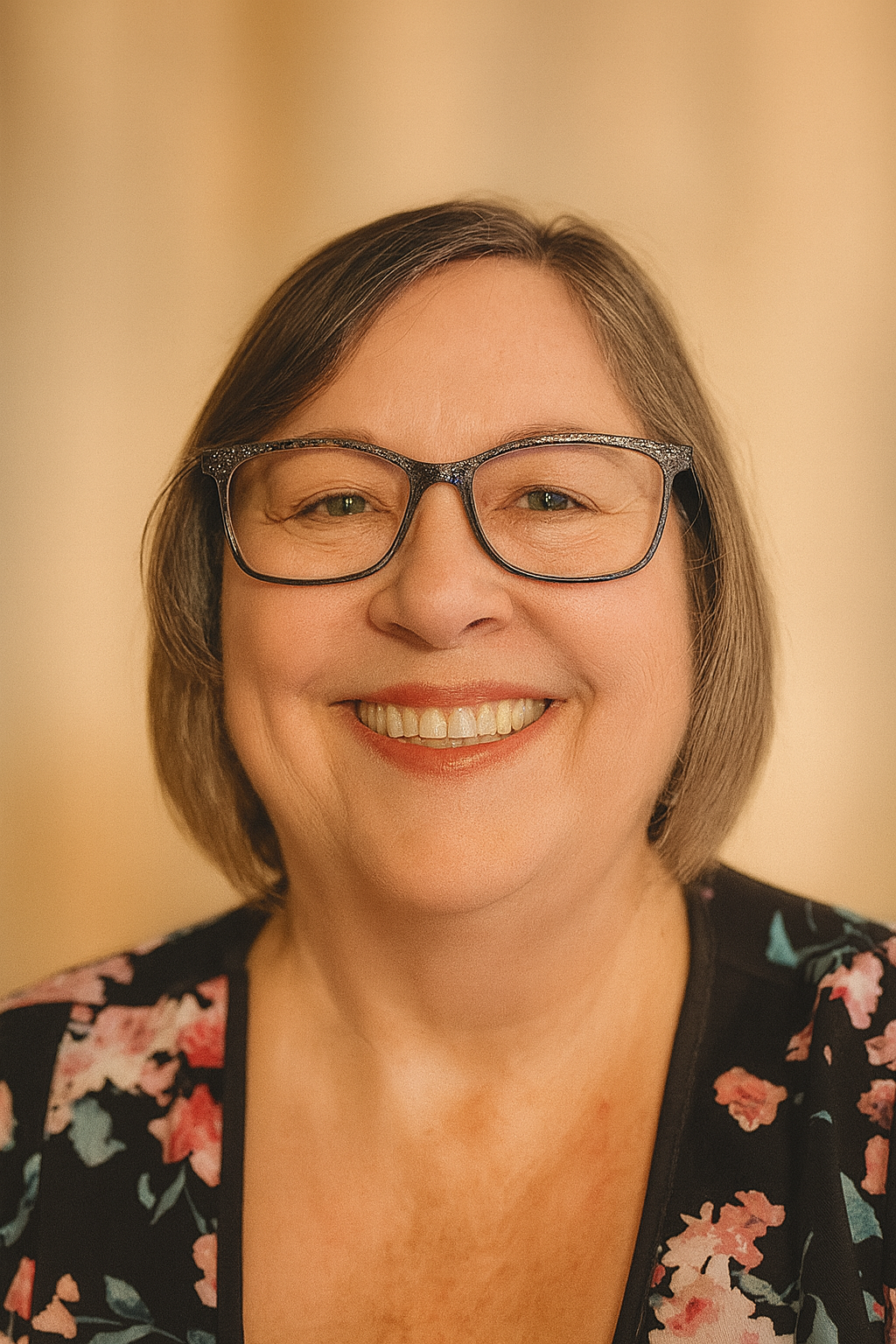
I used to think safety was something I could explain to myself. 'You're fine, nothing is wrong.' But my body had its own timeline, and it did not always believe me.
Maybe your chest felt tight.
Maybe your stomach was tense.
Maybe your shoulders were up around your ears.
Maybe your mind kept scanning for what might go wrong next.
You told yourself, “I’m safe.”
You reminded yourself, “This is not an emergency.”
You tried to breathe, pray, think positively, distract yourself, or talk yourself down.
And still, something inside stayed braced.
If this happens to you, it does not mean you are broken. It may mean your nervous system learned a long time ago that staying alert was the safest thing to do.
Anxiety is not always a thinking problem
A lot of people try to solve anxiety through logic.
They tell themselves:
“I know better than this.”
“I’m overreacting.”
“I should be past this by now.”
“Other people have it worse.”
“Why can’t I just calm down?”
But anxiety is not always coming from the logical part of the mind.
Sometimes the thinking brain understands that you are safe, but the body is still responding from an older pattern. Your body may be reacting to tone of voice, uncertainty, pressure, conflict, silence, disappointment, money stress, health concerns, responsibility, or even the simple unfamiliar feeling of calm.
That is why “just calm down” rarely works.
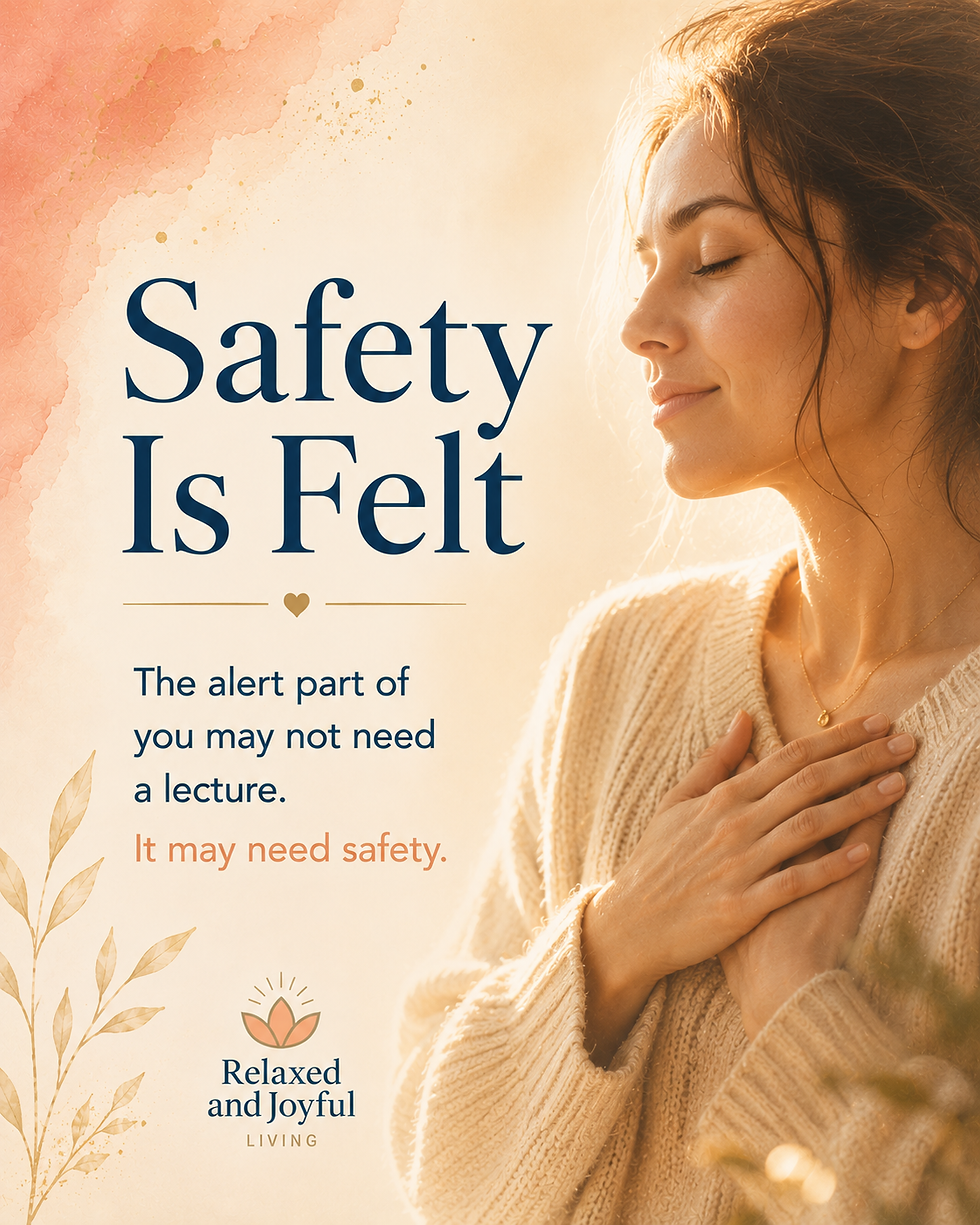
The part of you that is on alert may not need a lecture. It may need safety.

When the body remembers what the mind has moved past
Many people who have been through stress, trauma, loss, criticism, neglect, betrayal, military service, caregiving, chronic illness, or long seasons of pressure become very good at functioning.
They can work.
They can show up.
They can take care of people.
They can handle responsibilities.
They can look “fine” from the outside.
But inside, the body may still be living by old rules.
Rules like:
Stay prepared.
Do not let your guard down.
Watch for changes in people’s moods.
Do not need too much.
Do not trust calm.
Do not make a mistake.
Do not disappoint anyone.
Keep scanning so you can prevent something bad from happening.
At some point, these patterns may have helped you survive, cope, avoid conflict, stay connected, or feel more in control.
But later, those same protective patterns can start to feel like anxiety.

Signs your body may not fully feel safe yet
This can look different for each person, but some common signs may include:
Feeling tense even when nothing obvious is wrong
Having a hard time relaxing when you finally get quiet time
Replaying conversations and wondering if you said the wrong thing
Feeling responsible for preventing other people’s disappointment
Waking up already braced for the day
Feeling guilty when you rest
Needing to stay busy so you do not feel what is underneath
Having a tight chest, stomach tension, jaw clenching, or shallow breathing
Feeling startled, irritated, or emotionally reactive
Knowing something is “not a big deal,” but still feeling activated by it.

This is one of the most confusing parts of healing.
You may know you are safe now.
You may know the person in front of you is not the person from the past.
You may know this situation is different.
You may know you are capable, intelligent, and responsible.
And still, your body may respond as if danger is nearby.
That does not make you weak. It means there may be a deeper pattern asking to be updated.
Why insight alone may not change the response
Understanding yourself is valuable. It can bring compassion, clarity, and relief.
But insight alone does not always reach the part of the system that is reacting.
You can understand why you people-please and still feel panic when someone is unhappy.
You can understand why you overthink and still be unable to stop the loop.
You can understand why you shut down and still freeze when something matters.
You can understand that the past is over and still feel your body brace.
This is often because the protective response is not only a thought. It can be connected to body memory, subconscious beliefs, old emotional associations, and parts of us that learned, “This is how we stay safe.”
That is why healing often needs to be gentle.
Not forced.
Not shamed.
Not rushed.
Not another demand to “get over it.”
The nervous system tends to change more easily when it feels safe enough to update.
What if anxiety is protection?
One helpful question is:
“What if this anxious response is trying to protect me?”
That does not mean the anxiety is comfortable.
It does not mean you want to keep it.
It does not mean the fear is accurate.
It simply means there may be a protective intelligence underneath it.
A part of you may be trying to prevent rejection.
A part of you may be trying to prevent humiliation.
A part of you may be trying to prevent loss of control.
A part of you may be trying to prevent being trapped, blamed, abandoned, or overwhelmed.
When we stop treating anxiety as the enemy, we can begin to listen for what the system is trying to protect.
Then healing becomes less about fighting yourself and more about helping your system learn something new.
A gentler way to begin
Instead of asking, “What is wrong with me?” you might ask:
“What does my body think is happening right now?”
Or:
“What might my system be trying to protect me from?”
Or:
“What would feel even 1% safer in this moment?”
Sometimes the first step is not to become completely calm. Sometimes the first step is simply noticing:
“My body is on alert.”
Then gently adding:
“Of course something in me learned to do this. And maybe we can update that now.”
That small shift matters.
It moves you away from shame and toward relationship with yourself.
How MAP can support this pattern where you still feel anxious
With MAP, we work gently with subconscious patterns, protective responses, and the places where the body and mind may still be operating from old information.
The goal is not to force positivity.
The goal is not to relive painful memories.
The goal is not to make you explain everything perfectly.
Instead, MAP allows the system to work at a deeper level, often with the intention of helping the subconscious mind update old patterns and create more internal safety.
For someone whose body never quite feels safe, this might include working with patterns such as:
Feeling responsible for preventing danger
Believing calm is unsafe or unfamiliar
Expecting criticism, rejection, or disappointment
Feeling unsafe receiving support
Needing to stay alert to stay in control
Feeling guilty when resting or setting boundaries
Knowing you are safe but not feeling safe in the body
These patterns often make sense when we understand them as protection. And when protection is met gently, the system may not have to work so hard.
You do not have to force calm
If your body still feels anxious even when your mind knows you are safe, please hear this:
You are not failing.
You are not broken.
You are not making it up.
You are not too sensitive.
Your system may simply be carrying old safety rules that are ready to be updated.
You do not have to shame yourself into calm.
You do not have to argue with your body.
You do not have to be perfectly regulated before you begin healing.
You can begin right where you are.
With curiosity.
With gentleness.
With respect for the parts of you that have worked so hard to protect you.
And little by little, your body may begin to learn:
It is safer now.
I do not have to stay braced all the time.
I can receive support without losing myself.
I can rest without being in danger.
I can let calm become familiar.
If this speaks to you, I would be honored to support you.
At Relaxed & Joyful Living, I offer trauma-informed MAP Method coaching for people who are ready to gently work with the deeper patterns behind anxiety, overwhelm, and feeling unsafe in the body.
You do not have to figure it all out alone.
You can book a Discovery Call to explore whether MAP may be a good fit for you.


Comments